History / The dancefloor

The dubplate and the dancefloor

How did sound systems, clubs and pirates keep vinyl alive?

34 dated moments 8 disputed firsts Checked September 2026

How this chapter works. Every date comes from a source you can open, listed under each moment. Where the sources disagree about who was first, we say so rather than pick a winner. Editorial notes from the editor, a DJ of thirty years, are marked as the editor's. See this chapter on the timeline →

Microgroove 1948 to 1972

1948 June 22

Empire Windrush docks at Tilbury
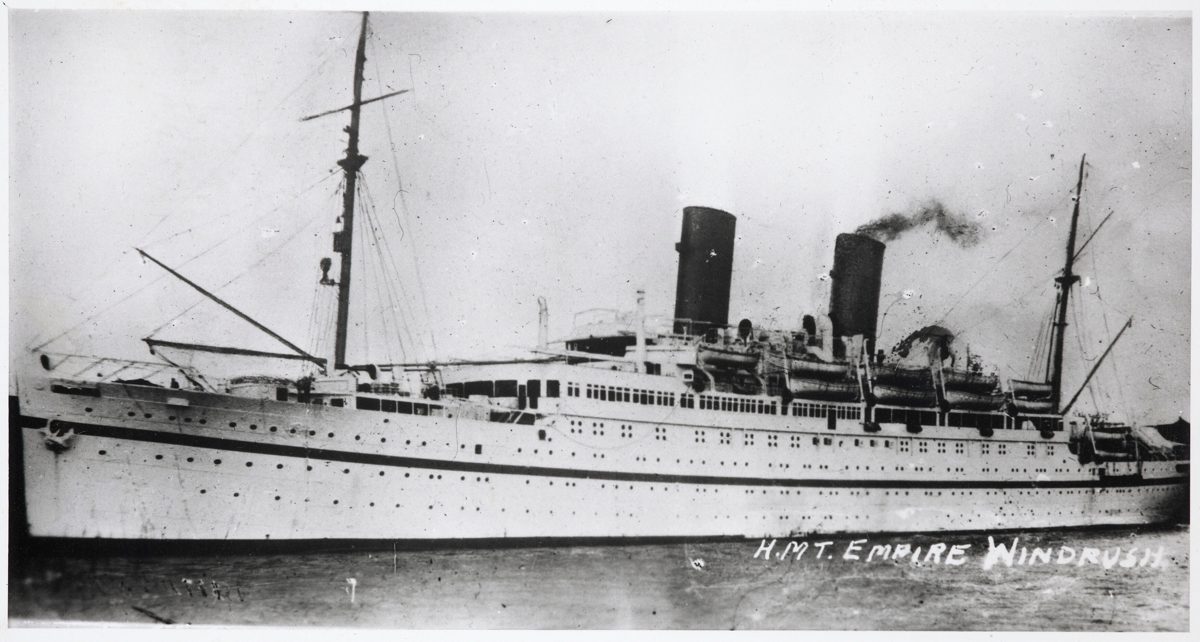
HMT Empire Windrush and its 1,027 passengers · Tilbury, Essex, England

HMT Empire Windrush, the troopship that carried the 1948 arrivals
Photo: Royal Navy official photographer, Imperial War Museum, via Wikimedia Commons (public domain) · Public domain

The troopship Empire Windrush arrived from Kingston, Trinidad and other stops carrying just over a thousand passengers, most of them Jamaican, in what became the symbolic start of mass postwar Caribbean migration to Britain.

Why it matters The "Windrush generation" this ship symbolises is the migration wave that, within a few years, carried Jamaican sound-system culture itself to London.

On the timeline →
1950

Tom Wong launches "Tom the Great Sebastian", Jamaica's first major sound system

Thomas "Tom the Great Sebastian" Wong · Kingston, Jamaica

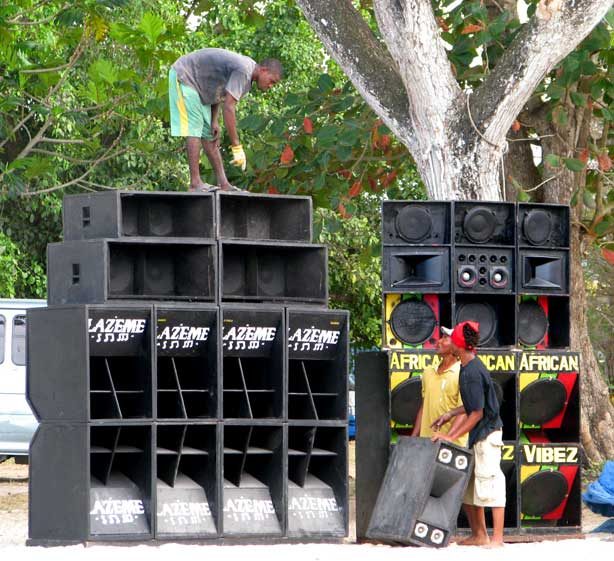
Preparation of a Jamaican-style sound system rig at Long Bay, Negril, representative of the speaker-stack sound systems Tom Wong's era pioneered
Photo: Dubdem e FabDub, via Wikimedia Commons (CC BY 2.0) · CC BY 2.0

Chinese-Jamaican hardware-store owner Tom Wong began playing amplified R&B records to draw customers, building what's generally credited as the first commercially successful Jamaican sound system, with amplifiers built by Hedley Jones.

Why it matters Sets the template (amplified records played loud for a paying dancehall crowd) that Duke Reid, Coxsone Dodd and every sound system since has followed.

Sources disagree Some accounts name other early operators (e.g. Count Nick) as contemporaries; Tom the Great Sebastian is the figure most sources single out as first to dominate Kingston.

  • Jamaica Gleaner 2026-09 Jamaican national newspaper feature on Tom Wong's career; read September 2026.
On the timeline →
1952

First documented sound clash: Tom the Great Sebastian vs Count Nick

Tom the Great Sebastian; Count Nick · Kingston, Jamaica

Two 1952 clashes between the systems, both won by Tom the Great Sebastian, settled an argument over which was Kingston's top sound and established the clash as the way rivalries got decided.

Why it matters The sound clash format (systems competing head-to-head for a crowd's favour) is the competitive engine that later produces the dubplate exclusive.

  • Jamaica Gleaner 2026-09 Same Gleaner feature, covering the 1952 clashes with Count Nick; read September 2026.
On the timeline →
1953

Duke Reid starts his "Trojan" sound system

Arthur "Duke" Reid · Kingston, Jamaica

Former policeman and liquor-store owner Duke Reid started his own sound system, nicknamed "The Trojan" for the Trojan-brand flatbed truck that hauled his equipment, quickly rivalling Tom the Great Sebastian and Coxsone Dodd.

Why it matters Reid's Trojan sound and later Treasure Isle label become one of the two dominant sound-and-label empires, with Dodd's, that built Jamaican recorded music.

Sources disagree Several biographical sources give only "the 1950s" for when Reid entered the sound-system business; 1953 is the specific year cited by more than one source but not corroborated by a contemporary document found here.

  • Jamaica Gleaner 2026-09 Gleaner profile of Duke Reid's sound-system and production career; read September 2026.
  • National Library of Jamaica 2026-09 National library's reggae exhibition biography page; gives 1950s liquor-store purchase and radio show but no exact sound-system founding year. Read September 2026.
On the timeline →
1954

Coxsone Dodd founds the Downbeat sound system

Clement "Sir Coxsone" Dodd · Kingston, Jamaica

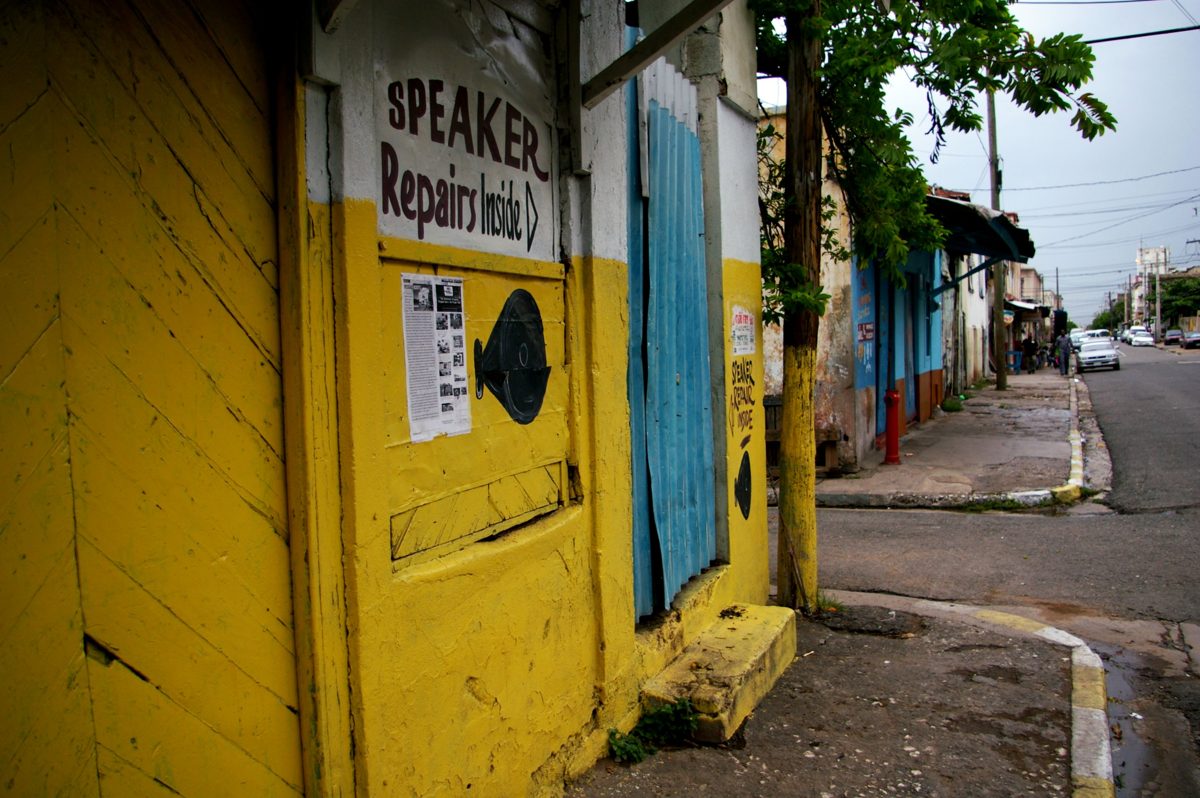
The Kingston street corner where Coxsone Dodd launched his sound-system career
Photo: Christina Xu, via Wikimedia Commons (CC BY-SA 2.0) · CC BY-SA 2.0

Back from farm labour in the US where he'd absorbed R&B and block-party culture, Dodd set up Downbeat with an amplifier, a turntable and records imported from New Orleans and Miami.

Why it matters Downbeat becomes Duke Reid's chief rival, and Dodd's later label Studio One (1963) turns sound-system competition into a record industry that shapes ska, rocksteady and reggae.

  • DancehallMag 2026-09 Explainer on Jamaican sound-system pioneers including Dodd's 1954 Downbeat founding; read September 2026.
  • Music Origins Project 2026-09 Studio One history including Dodd's pre-label sound-system career; read September 2026.
On the timeline →
1954

Duke Vin stows away to Britain, sound-system skills in tow

Vincent "Duke Vin" Forbes · London, England

A former selector who had apprenticed under Tom the Great Sebastian in Kingston, Forbes arrived in Britain as a stowaway, six years after the Windrush's arrival.

Why it matters Brings living sound-system expertise, not just records, into London's growing Windrush-generation Caribbean community.

  • London Museum 2026-09 Museum collections page on Duke Vin's arrival and career; read September 2026.
On the timeline →
1955

Duke Vin builds Britain's first Jamaican-style sound system

Duke Vin ("Duke Vin the Tickler's") · Ladbroke Grove, London

With a second-hand turntable, a £15 speaker and a homemade £4 amplifier, Forbes built and ran the first Jamaican-style sound system in the UK, playing Saturday-night house parties around Notting Hill.

Why it matters Marks the birth of British sound-system culture, the root of the UK's later dub, jungle, garage and dubstep scenes.

  • London Museum 2026-09 Museum page naming Duke Vin the first UK sound-system operator and dating the 1955 build; read September 2026.
  • Red Bull Music Academy Daily 2026-09 Feature on the birth of UK sound-system culture; read September 2026.
On the timeline →
1960

The dubplate emerges as Kingston sound systems' competitive weapon

Coxsone Dodd's Downbeat; Duke Reid's Trojan; Prince Buster's Voice of the People · Kingston, Jamaica

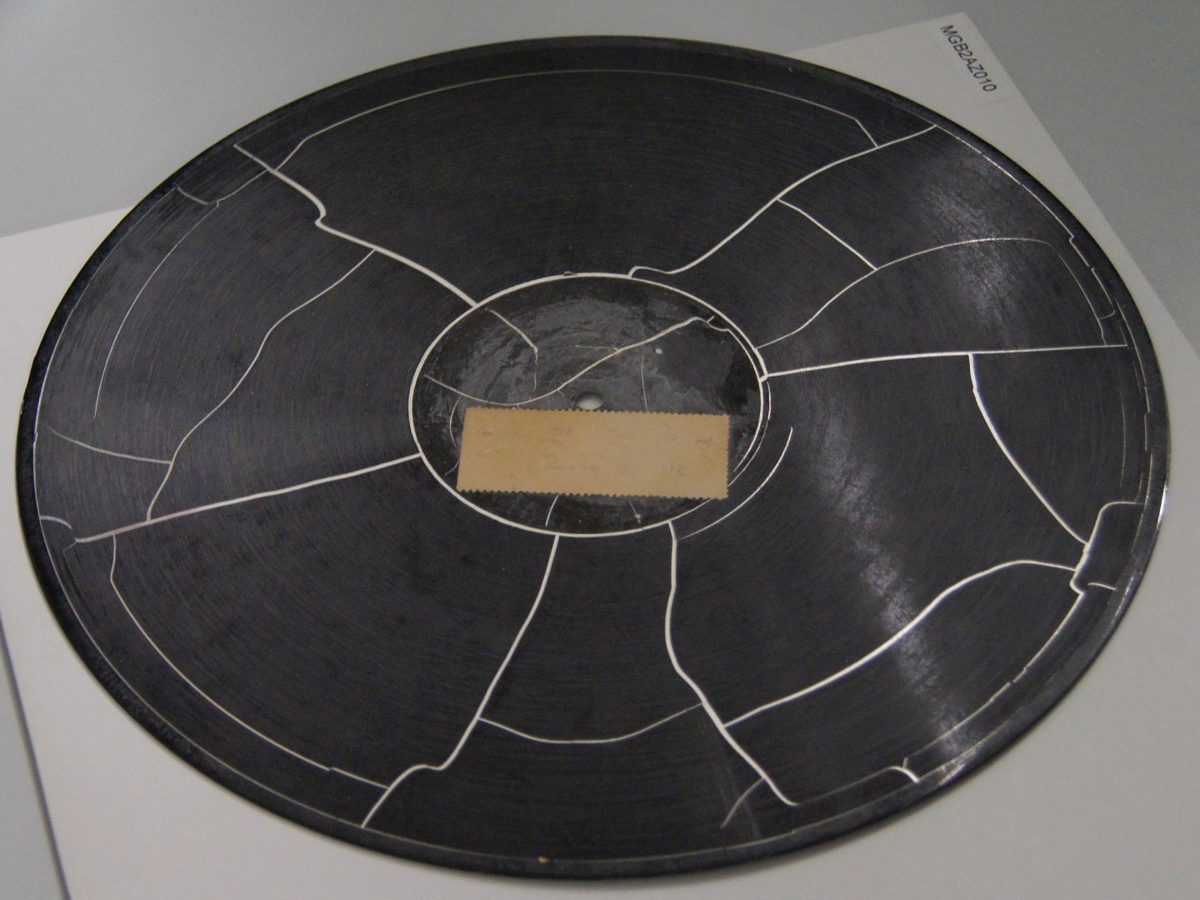
A restored acetate (lacquer) disc, the same acetate/dubplate format Kingston sound systems used to cut one-off exclusives
Photo: Rudolf H. Boettcher, via Wikimedia Commons (CC BY-SA 4.0) · CC BY-SA 4.0

As Downbeat, Trojan and Voice of the People fought for dancehall loyalty, one-off acetate discs (soft wax, or dubplates) let a producer test an exclusive recording on one sound before any commercial pressing.

Why it matters The dubplate turns a sound system's record selection into intellectual property: a temporary monopoly on a tune that becomes the currency of every sound-system culture that follows, in Jamaica and later Britain.

Sources disagree Sources give only a range ("late 1950s to early 1960s") for when dubplate culture became standard practice; none found here pins an exact year.

  • Red Bull Music Academy Daily 2026-09 Feature on dubplate culture's Jamaican origins and competitive function; read September 2026.
  • Reggae Roast 2026-09 Sound-system label/promoter's history of the dubplate; read September 2026.
On the timeline →
1967

An accidental instrumental at Ruddy Redwood's dance plants dub's seed

Ruddy Redwood (sound-system operator); Byron Smith (Treasure Isle engineer) · Kingston, Jamaica

An acetate cut for Redwood's sound system, The Paragons' "On the Beach," turned up missing its vocal track; played at a dance it thrilled the crowd, and instrumental "version" B-sides began appearing on Jamaican singles soon after.

Why it matters The instrumental "version" is dub's direct ancestor: proof that a stripped-down rhythm, played loud on a sound system, could be an attraction in its own right.

Sources disagree Accounts differ on whether the missing vocal was a genuine accident or a deliberate experiment, on the exact year (1967 vs 1968), and on whether Redwood, Smith or King Tubby deserves most credit for inventing the "version".

  • Red Bull Music Academy Daily 2026-09 Feature investigating dub's murky origins, including the Redwood/Smith accidental-instrumental story; read September 2026.
On the timeline →
1968

King Tubby launches Tubby's Home Town Hi-Fi

Osbourne "King Tubby" Ruddock · Waterhouse, Kingston, Jamaica

Electronics repairman Osbourne Ruddock started his own sound system, Home Town Hi-Fi, built around his own amplifiers and self-produced echo and reverb effects, quickly becoming one of Kingston's most popular sounds.

Why it matters Gives Tubby a sound-system testbed for the mixing-desk techniques that will define dub within a few years.

  • The Vinyl Factory 2026-09 Feature on influential sound systems including King Tubby's Home Town Hi-Fi, dated to 1968; read September 2026.
  • National Library of Jamaica 2026-09 National library reggae exhibition page on King Tubby; read September 2026.
On the timeline →
1970 February 14

David Mancuso throws the first Loft party, "Love Saves the Day"

David Mancuso · 647 Broadway, New York City

Mancuso invited around 100 people to his loft for a members-only, non-commercial Valentine's party with a high-fidelity sound system, free food and no alcohol for sale; guests asked for another one soon after.

Why it matters The Loft's private-party, sound-quality-first, DJ-as-host model becomes the direct template for the Paradise Garage and for disco and house club culture generally.

On the timeline →
1971

King Tubby acquires an MCI mixing desk and turns it into an instrument

King Tubby (Osbourne Ruddock) · 18 Dromilly Avenue, Waterhouse, Kingston

Tubby bought a used MCI mixing console from Dynamic Sounds studio and installed it in the front room of his home, using its faders, echo and reverb as performance tools to strip songs to bass, drums and vocal fragments.

Why it matters The technical and aesthetic birth of dub as a genre (mixing performed live as music, engineered specifically to cut into sound-system dubplate exclusives).

  • Ableton 2026-09 History of dub production technique, dating Tubby's 1971 MCI desk acquisition from Dynamic Sounds; read September 2026.
  • The Quietus 2026-09 Feature on King Tubby's career and studio technique; read September 2026.
On the timeline →

Two turntables 1972 to 1988

1976 May

"Ten Percent" becomes the first commercially issued 12-inch single

Double Exposure; mix engineer Walter Gibbons; Salsoul Records; remixer Tom Moulton · New York City

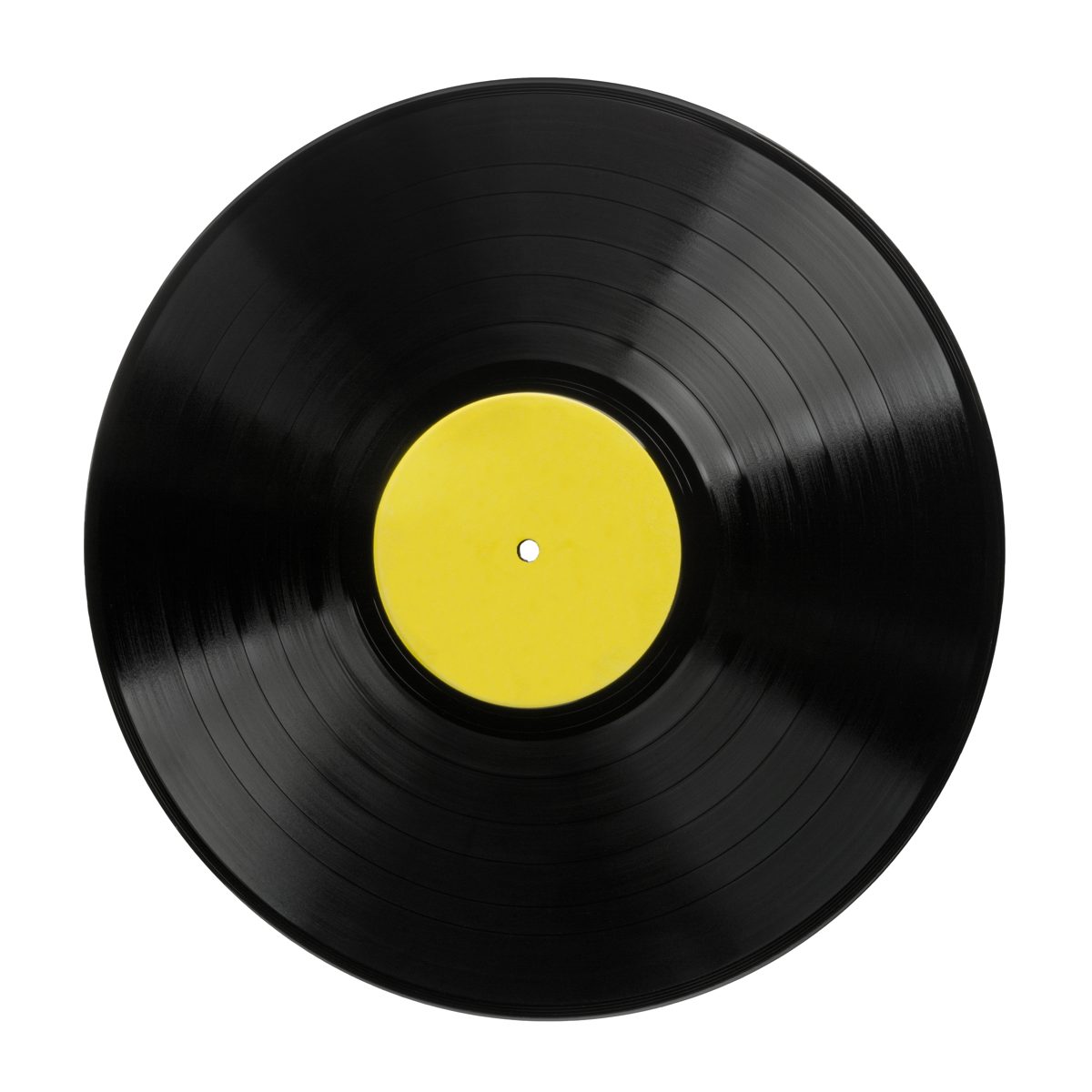
A 12-inch vinyl LP/single, the wide-groove format "Ten Percent" pioneered for commercial release in 1976
Photo: Evan-Amos, via Wikimedia Commons (public domain) · Public domain

Salsoul issued Double Exposure's "Ten Percent" as a 12-inch, 45rpm single, commercializing the wide-groove, extended-mix disco acetate format that engineer José Rodríguez had first cut for DJ/remixer Tom Moulton's own club test pressings.

Why it matters The 12-inch single, born from one-off club acetates, becomes dance music's dominant retail format for the next three decades.

Sources disagree The commercial "Ten Percent" 12-inch mix is usually credited to Walter Gibbons rather than Tom Moulton; Moulton's own earlier one-off club acetates (and his 12-inch mix of Double Exposure's "My Love Is Free") are what's credited with proving the format's sound quality.

  • Wax Poetics 2026-09 Feature on Tom Moulton crediting him with pioneering the extended remix and the 12-inch format via a mis-cut acetate; read September 2026.
  • Wikipedia 2026-09 Used only to identify the underlying Billboard May 1976 claim of "first commercially available 12-inch single"; not cited as the source itself.
On the timeline →
1977 March

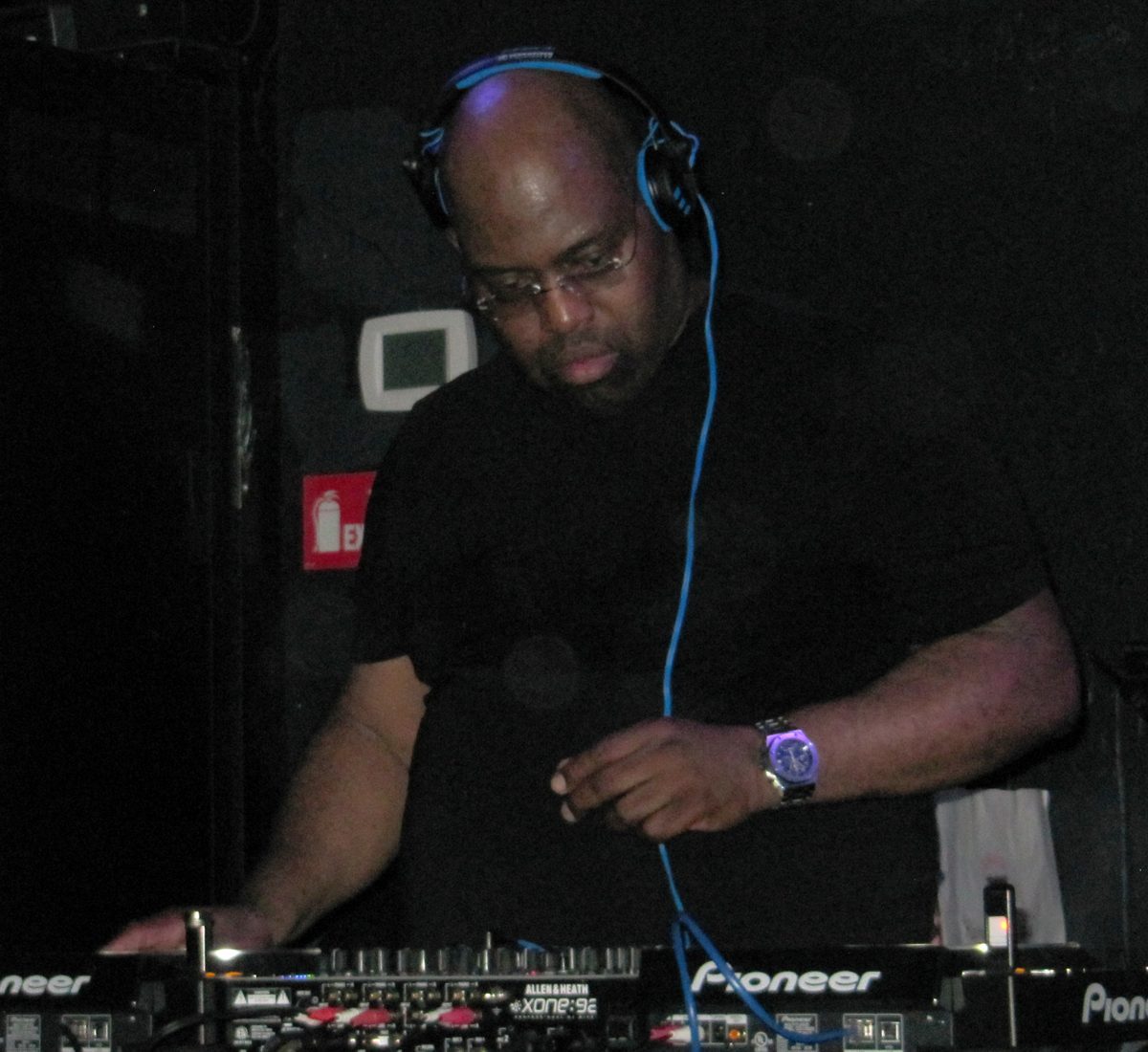
The Warehouse opens in Chicago; Frankie Knuckles' residency births house music

Robert Williams (owner); Frankie Knuckles (resident DJ from July 1977) · 206 S. Jefferson Street, Chicago, Illinois

Frankie Knuckles performing in San Francisco, 2012 (a much later-era photo; no free image survives from The Warehouse's 1977 opening)
Photo: HaeB, via Wikimedia Commons (CC BY-SA 4.0) · CC BY-SA 4.0

Promoter Robert Williams opened the Warehouse as a members' dance club for a Black and Latino, largely gay crowd; Frankie Knuckles, who became resident that July, reworked and extended disco records there through to 1982.

Why it matters Record-shop customers asking for "that Warehouse music" gave the genre its name, house, making the club the acknowledged birthplace of house music.

  • City of Chicago, Dept. of Planning and Development 2026-09 Official city historic-landmark designation report on the Warehouse building; read September 2026.
  • Splice 2026-09 History piece dating the March 1977 opening and Knuckles' July 1977 residency start; read September 2026.
On the timeline →
1978 January 28

Paradise Garage officially opens, Larry Levan behind the decks

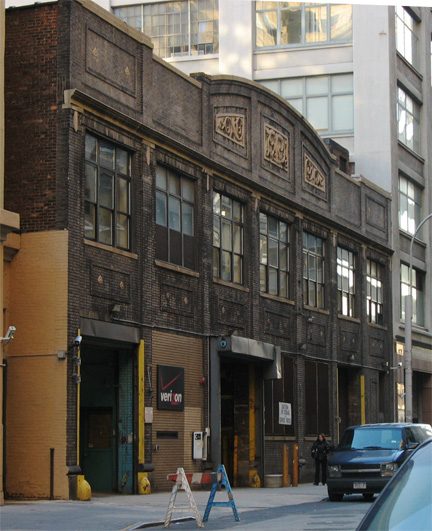
Michael Brody (owner); Larry Levan (resident DJ) · 84 King Street, New York City

The Paradise Garage building at King Street, New York City, home of Larry Levan's club from 1978
Photo: Dpinnyc, via Wikimedia Commons (public domain) · Public domain

After a year of "construction parties" at 84 King Street, Michael Brody's club officially opened as the Paradise Garage, with Larry Levan and sound designer Richard Long building a custom system that became the standard other clubs measured themselves against.

Why it matters The Garage, alongside the Loft, becomes the model for the modern DJ-led nightclub, and Levan's dubplate-style exclusive edits and remixes carry the sound-system logic of exclusivity into disco and early house.

  • NYC LGBT Historic Sites Project 2026-09 Historic-sites entry on the Paradise Garage's 1977 construction parties and 28 January 1978 official opening; read September 2026.
On the timeline →
1981

Cybotron's "Alleys of Your Mind" lays Detroit techno's foundation

Juan Atkins; Rick Davis (Cybotron) · Detroit, Michigan

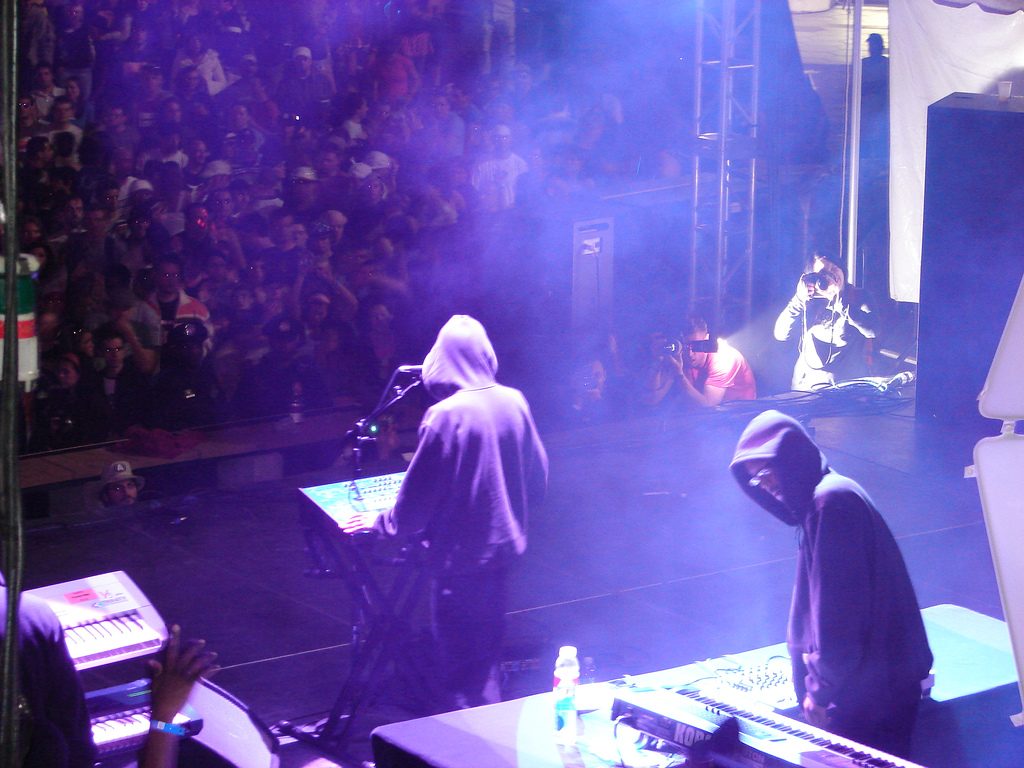
Juan Atkins performing as Model 500 at the Detroit Electronic Music Festival, 2007 (a later-era photo; no image survives from 1981)
Photo: Angie Schwendemann (Detroit), via Wikimedia Commons (CC BY-SA 2.0) · CC BY-SA 2.0

Belleville, Michigan high-school friend Juan Atkins and Washtenaw Community College classmate Rick Davis released "Alleys of Your Mind" on their own Deep Space label; it sold about 15,000 copies and became a staple of Detroit radio DJ Electrifying Mojo's playlist.

Why it matters The record that starts Juan Atkins, Derrick May and Kevin Saunderson (the "Belleville Three") toward founding Detroit techno through their own labels (Metroplex, KMS, Transmat) later in the 1980s.

  • DJ Mag 2026-09 Feature on Cybotron's Deep Space singles and their influence on the Belleville Three; read September 2026.
On the timeline →
1981

Roland releases the TB-303 Bass Line

Roland Corporation; engineer Tadao Kikumoto · Osaka, Japan (manufacturer); worldwide release

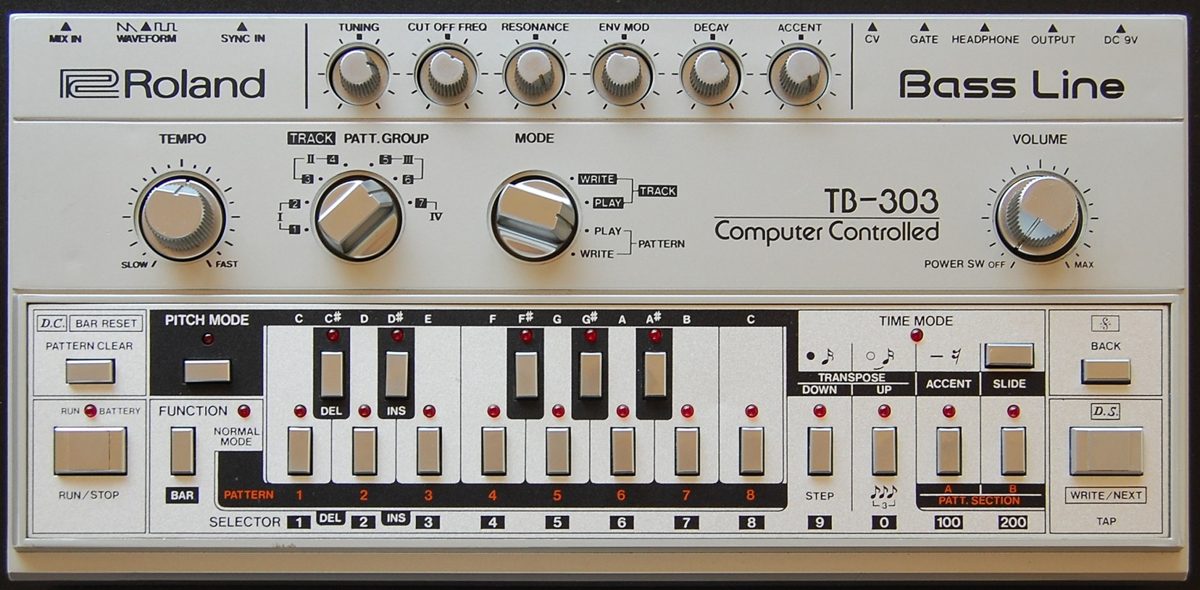
A Roland TB-303 Bass Line synthesizer, made 1982
Photo: Alexandre Dulaunoy, via Wikimedia Commons (CC BY-SA 2.0) · CC BY-SA 2.0

Roland released the TB-303, a bass synthesizer meant to accompany solo guitarists, designed by Tadao Kikumoto; it sold poorly and was discontinued by 1984 with only around 10,000 units made.

Why it matters Cheap secondhand 303s later became the engine of acid house's squelching bassline sound once Chicago producers started misusing them.

Sources disagree Reliable outlets disagree on the release year: some (zZounds, citing a Roland-history piece) give 1981, while others (DJ TechTools) give 1982; no manufacturer date plate or period trade-press listing was located to settle it.

  • zZounds Music Blog 2026-09 History piece giving 1981 as the TB-303's release year; read September 2026.
  • DJ TechTools 2026-09 History piece giving 1982 as the release year, noted in dispute; read September 2026.
On the timeline →
1982 May 21

The Haçienda opens in Manchester

Factory Records; Rob Gretton; Tony Wilson; New Order; designer Ben Kelly · 11-13 Whitworth Street West, Manchester, England

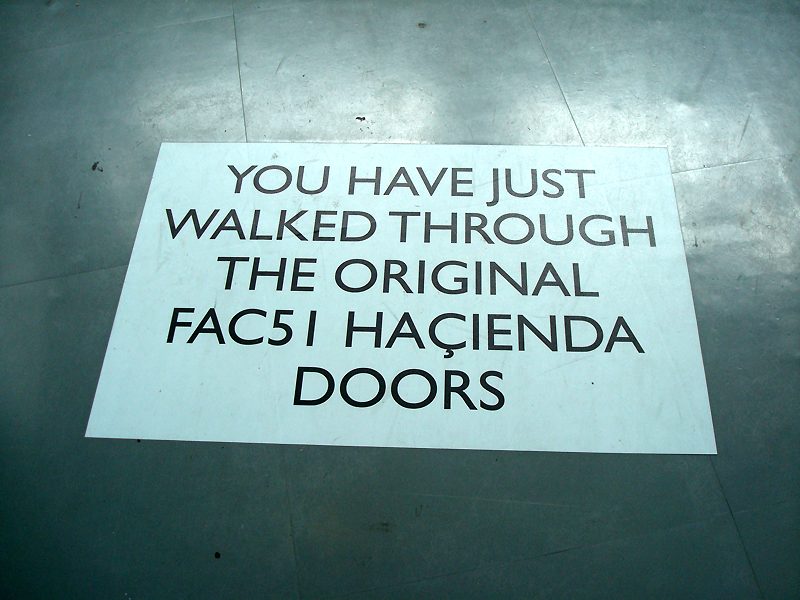
An information sign about the former Haçienda nightclub at its Manchester site
Photo: a_marga, via Wikimedia Commons (CC BY-SA 2.0) · CC BY-SA 2.0

Factory Records and New Order financed the conversion of a former yacht showroom into the Haçienda, given the label's own catalogue number FAC 51 and designed by Ben Kelly with Peter Saville.

Why it matters By the late 1980s the Haçienda becomes Britain's key acid house venue, hosting the crowds and DJs (Mike Pickering among them) at the centre of the 1988 Second Summer of Love.

  • Factory Records (official archive) 2026-09 Label's own archive page on the Haçienda, catalogue number FAC 51; read September 2026.
  • 909originals 2026-09 Anniversary feature on the Haçienda's 21 May 1982 opening; read September 2026.
On the timeline →
1983 February

The Music Box opens; Ron Hardy takes the decks

Robert Williams (owner); Ron Hardy (resident DJ, 1982-1986) · 1632 S. Indiana Avenue, Chicago, Illinois

After Frankie Knuckles left the Warehouse, owner Robert Williams reopened in a new industrial-building location as the Music Box with Ron Hardy on the decks, known for radical tape edits, fast tempos and marathon sets.

Why it matters Chicago producers including DJ Pierre, Marshall Jefferson and Larry Heard debuted new tracks on acetate for Hardy to play, making the Music Box the dubplate-style testing ground for house music's earliest records.

  • Stamp the Wax 2026-09 History of the Music Box, dating its February 1983 opening; read September 2026.
On the timeline →
1985

Music House cutting studio is established

Chris Hansen (Black Slate guitarist); Paul Chue · London, England

A dub-cutting and mastering studio that became London's best-known dubplate house was running by 1985, moving over the years from Edmonton to Finsbury Park to Holloway Road, near The Rocket club.

Why it matters Music House becomes the social and technical hub where reggae sound systems, then jungle, garage and dubstep DJs, cut their exclusives for two decades.

Sources disagree Sources disagree on both founder and date: one account credits Black Slate guitarist Chris Hansen, founding the studio in Edmonton in the late 1970s/early 1980s before it became "Music House"; an obituary for engineer Leon Chue credits his father, roots producer Paul Chue, as founder.

  • Dub Stuy 2026-09 History of Music House crediting Chris Hansen and giving 1985 for operation on Holloway Road; read September 2026.
  • Resident Advisor 2026-09 Obituary for Music House engineer Leon Chue, crediting his father Paul Chue as the studio's founder; read September 2026.
On the timeline →
1985 October

The DTI raids Kiss FM within days of its launch

UK Department of Trade and Industry (DTI); Kiss FM · London, England

Kiss FM was raided by the DTI just three days after going on air; the Telecommunications Act 1984 let DTI officers seize equipment without a court order, with fines and up to two years' imprisonment for illegal broadcasting.

Why it matters Marks the start of a running battle between London's dance-music pirates and the state that continues through the jungle and garage era, shaping how stations like Rinse FM later operated.

  • 6am Group 2026-09 History piece noting Kiss FM's first DTI raid three days after its October 1985 launch; read September 2026.
  • Vice 2026-09 Feature confirming sustained DTI raids forced Kiss FM off air repeatedly in 1985-86; read September 2026.
On the timeline →
1985 October 7

Kiss FM launches as a pirate station in London

Gordon "Mac" McNamee and co-founders; DJs including Norman Jay, Trevor Nelson, Tim Westwood · London, England

Kiss FM began broadcasting soul, funk and dance music illegally on 94FM, quickly building an estimated 500,000-strong following in South and then all of London.

Why it matters Pirate stations like Kiss FM break black dance music the BBC and commercial radio wouldn't playlist, becoming the promotional backbone for the sound-system and club scenes covered in this lane.

  • 6am Group 2026-09 History of UK pirate radio giving Kiss FM's 7 October 1985 launch date; read September 2026.
On the timeline →
1987

Phuture's "Acid Tracks" turns the TB-303 into acid house

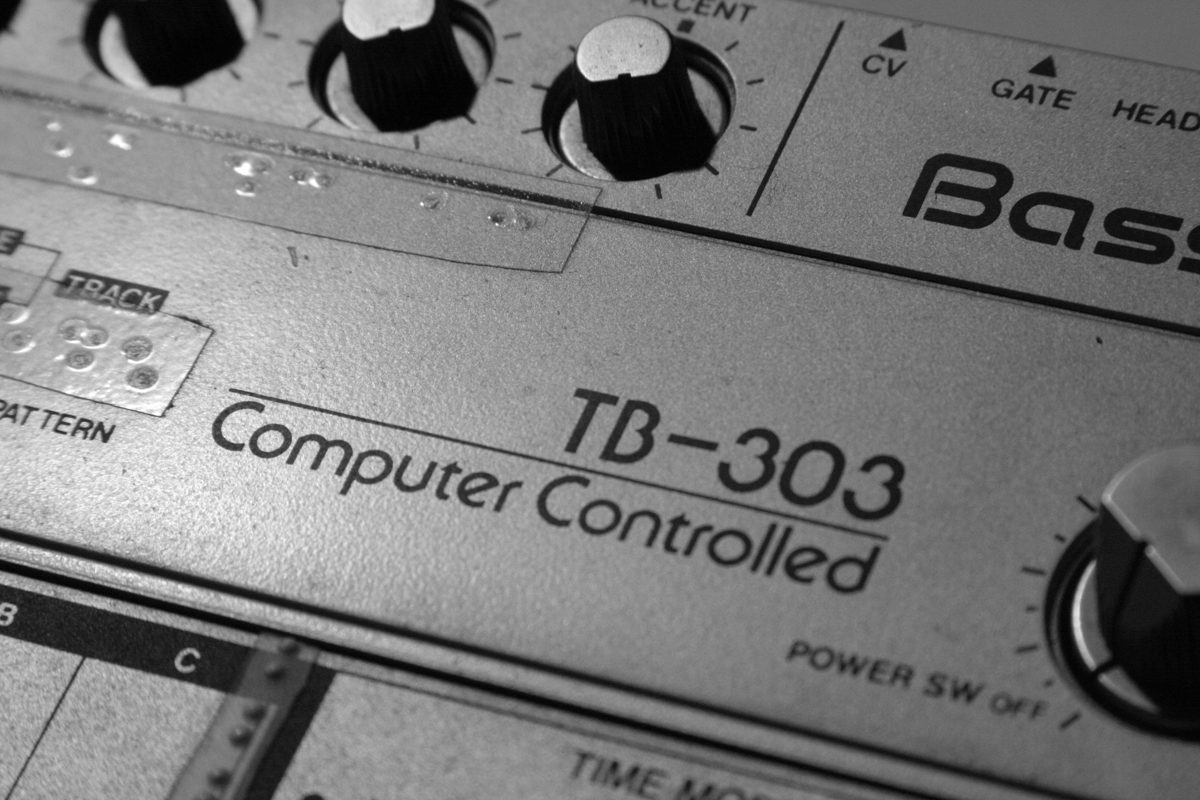
DJ Pierre, Spanky and Herb J (Phuture); Ron Hardy; producer Marshall Jefferson; Trax Records · Chicago, Illinois

The control panel of a Roland TB-303 Bass Line synthesizer, the machine Phuture used to make "Acid Tracks"
Photo: Steve Sims, via Wikimedia Commons (CC0 1.0) · CC0 1.0

Recorded to cassette in 1984 and released on Trax Records in 1987, "Acid Tracks" used a detuned Roland TB-303 for its squelching bassline; Ron Hardy played it so often at the Music Box that dancers nicknamed it "Ron Hardy's Acid Track."

Why it matters The record and its nickname give the acid house subgenre its name and establish the TB-303 misuse that would define UK acid house a year later.

  • Rolling Stone Australia 2026-09 Feature on "Acid Tracks," its 1984 cassette origin, 1987 release, and Ron Hardy's role; read September 2026.
On the timeline →
1987 December

Shoom opens, seeding British acid house

Danny Rampling; Jenni Rampling · Southwark Street, London, England

Weeks after an Ibiza trip to Amnesia with Paul Oakenfold, Nicky Holloway and Johnny Walker, DJ Danny Rampling and his wife Jenni opened Shoom in a 300-capacity basement gym, throwing their first acid house party in December 1987.

Why it matters Shoom is widely credited with igniting the UK acid house scene and the smiley-face imagery that comes to define it, feeding directly into 1988's Second Summer of Love.

  • Rolling Stone 2026-09 Oral history of Shoom, its Ibiza origins and December 1987 opening; read September 2026.
  • i-D 2026-09 30th-anniversary feature on Shoom; read September 2026.
On the timeline →

The CD years 1988 to 2007

1988

The Second Summer of Love breaks acid house nationwide

Shoom; the Haçienda; Spectrum; Trip; and the wider UK club scene · United Kingdom (London, Manchester and beyond)

Acid house exploded out of small clubs like Shoom and the Haçienda into mass unlicensed raves and warehouse parties across Britain through the summer of 1988, spilling into 1989.

Why it matters Turns a niche import from Chicago into a mainstream British youth movement, setting up the hardcore rave scene and its own dubplate-driven successors (jungle, garage) in the years after.

  • Mixmag 2026-09 30-years-on feature on the Second Summer of Love; read September 2026.
On the timeline →
1992

Big Apple Records opens in Croydon

John Kennedy; Gary Hughes; Steve Robertson; later staffer DJ Hatcha · Croydon, South London, England

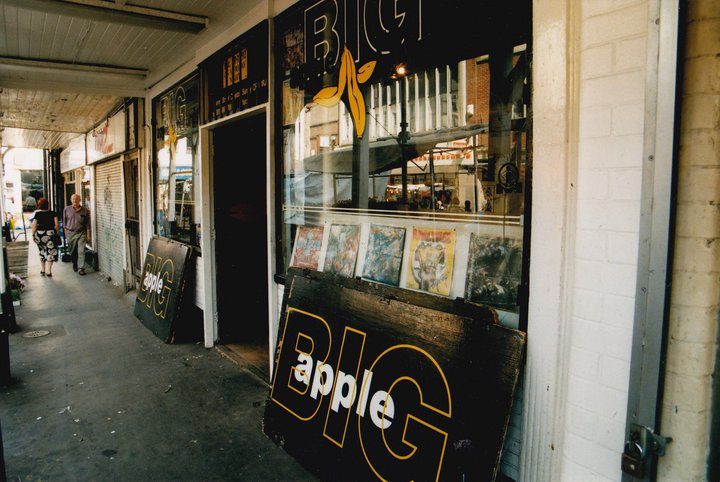
Big Apple Records shop, Croydon, photographed circa 2000
Photo: Bigapplerecords (shop's own upload), via Wikimedia Commons (CC BY-SA 3.0) · CC BY-SA 3.0

A small record shop near Surrey Street market opened selling house and techno downstairs, drum & bass upstairs, gradually adding UK garage and, through the 2000s, the darker 2-step that DJ Hatcha and regulars like Skream and Benga turned into dubstep.

Why it matters Big Apple becomes dubstep's incubator, one of the last shops where an exclusive dubplate cut for a resident DJ could still build a genre from the counter up.

  • DJ Mag 2026-09 History of Big Apple Records and its role in dubstep's emergence; read September 2026.
  • British Record Shop Archive 2026-09 Archive entry on Big Apple Records' 1992 opening and 2004 closure; read September 2026.
On the timeline →
1992 May

Castlemorton Common Festival becomes hardcore rave's flashpoint

Spiral Tribe and other free-party sound systems; an estimated 20,000-40,000 attendees · Castlemorton Common, Worcestershire, England

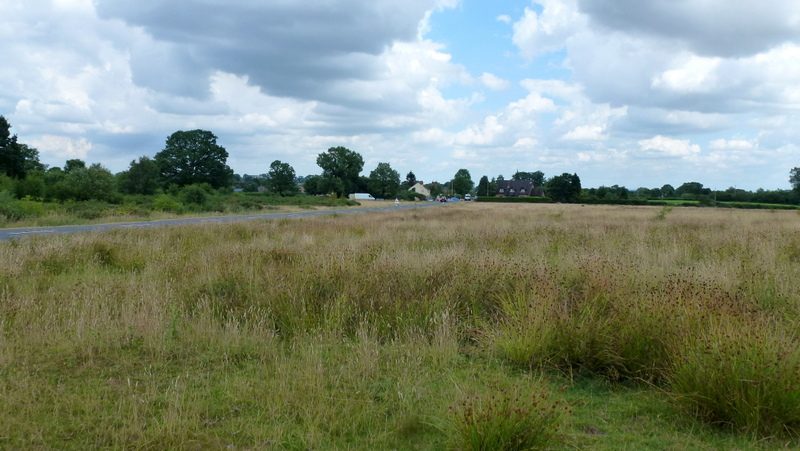
Castlemorton Common, Worcestershire, present day (the festival site; no free 1992 event photo was found)
Photo: Jonathan Billinger, via Wikimedia Commons / Geograph Britain and Ireland (CC BY-SA 2.0) · CC BY-SA 2.0

A week-long free festival of breakbeat hardcore, techno and house, held 22-29 May 1992 after New Age Travellers were diverted from another festival, became Britain's biggest illegal rave since the mid-1980s Stonehenge festivals.

Why it matters Media outrage over Castlemorton directly drove the Criminal Justice and Public Order Act 1994, which targeted gatherings playing music "characterised by...repetitive beats" and reshaped UK rave culture.

  • DJ Mag 2026-09 Feature on Castlemorton's scale and legislative aftermath; read September 2026.
  • 909originals 2026-09 History piece on the festival's dates and legislative impact; read September 2026.
On the timeline →
1993

Hardcore splits into jungle/drum & bass and happy hardcore

Grooverider and other darker-sound DJs; Slipmatt and other piano-house producers · United Kingdom

Through 1992-93, DJs like Grooverider pushed hardcore rave toward darker, faster, bass- and reggae-influenced breakbeat music (jungle), while producers like Slipmatt kept and sped up the piano-and-breakbeat euphoria (happy hardcore); by 1994 the two had become distinct scenes.

Why it matters Jungle inherits Jamaican sound-system culture's dubplate economy wholesale (MCs, exclusive dubs, sound clashes), reinventing it for 1990s Britain, while happy hardcore goes its own commercial way.

Sources disagree Sources describe this as a gradual "mutual separation" through late 1993 rather than a single dated event; the terms "hardcore" and "jungle" were used interchangeably until then.

  • A Bass Chronicle 2026-09 Detailed history of the late-1993 jungle/happy hardcore split; read September 2026.
  • Toucan Music 2026-09 History of UK hardcore and happy hardcore's mid-90s emergence; read September 2026.
On the timeline →
1994 September

Rinse FM goes on air

Slimzee; Geeneus · East London, England

East London natives Slimzee and Geeneus launched Rinse FM as a pirate station, broadcasting jungle from shifting makeshift studios to dodge detection, before pivoting toward UK garage around 1998-99.

Why it matters Rinse becomes London's most important dance-pirate, breaking garage, grime (including Dizzee Rascal and Wiley) and dubstep before finally going legal with an Ofcom licence in June 2010.

  • Dazed 2026-09 History of UK pirate radio, dating Rinse FM's 1994 founding by Slimzee and Geeneus; read September 2026.
  • Red Bull 2026-09 Feature on Rinse FM's founders and early pirate years; read September 2026.
On the timeline →
1995 September

Leon Chue joins Music House, cutting jungle and drum & bass's dubplates

Leon Chue · Holloway Road, London, England

Leon Chue began working at Music House in September 1995, quickly becoming the engineer jungle and drum & bass DJs like DJ Hype, Goldie and Grooverider queued around the block for.

Why it matters Under Chue, Music House becomes the social hub of 1990s jungle/d&b; DJs traded tracks and news while waiting for dubs, the way Kingston selectors once did at Studio One.

“Having new tracks before other DJs became addictive.” (DJ Target, Grime Kids (2018), quoted in The Vinyl Factory)
  • Resident Advisor 2026-09 Obituary for Leon Chue giving his September 1995 start date at Music House; read September 2026.
  • The Vinyl Factory 2026-09 Extract from DJ Target's Grime Kids describing Music House's dubplate hierarchy and queues; read September 2026.
On the timeline →
2001

FWD>> begins, dubstep's dubplate-only incubator

Resident DJs including Hatcha, Mala, Coki, Kode9, Youngsta · Velvet Rooms, then Plastic People, London, England

The FWD>> club night launched in 2001 as UK garage fractured into darker sub-bass sounds, soon settling at Shoreditch's Plastic People, where its Funktion One sound system and unreleased dubplates shaped the emerging dubstep genre month by month.

Why it matters FWD>> plays the same role for dubstep that Music House and Kingston sound systems played earlier: a room where the only way to hear a tune was on the strength of an exclusive dub.

  • Museum of Youth Culture 2026-09 History of early dubstep and FWD>>'s founding; read September 2026.
  • DJ Mag 2026-09 Feature on FWD>>, Plastic People and dubstep's early development; read September 2026.
On the timeline →

The revival 2007 to 2026

2016 October

Peckham Cuts opens, a new generation of London dubplate cutting

Dominic Jones · Holdron's Arcade, Peckham, South London, England

Dominic Jones opened Peckham Cuts in October 2016, using a compact tabletop lathe (designed by German engineer Souri) that cuts into durable plastic rather than acetate, serving DJs and producers after the digital-DJing era had hollowed out older cutting houses.

Why it matters Shows dubplate culture persisting past the CDJ/Serato era that closed many 1990s cutting houses, adapted to newer, tougher lathe technology.

  • The Vinyl Factory 2026-09 Feature on studios keeping dubplate culture alive, including Peckham Cuts' October 2016 opening; read September 2026.
On the timeline →
2020

Leon Chue dies; the dubplate tradition passes to a new generation of cutters

Leon Chue; Doc Scott and other jungle/d&b figures · London, England

Music House's master cutting engineer Leon Chue died in his mid-40s, mourned by drum & bass figures including Doc Scott, who called him "always kind, polite, a true professional." Music House itself continued operating, alongside newer studios like Bristol's Dubstudio (est. c.2003) and Peckham Cuts.

Why it matters Marks a generational handover in UK dubplate culture: the Holloway Road-to-Tottenham cutting-house lineage persists through both surviving originals and newer lathe studios, keeping the sound-system tradition of the exclusive one-off record alive today.

“You were always kind, polite, a true professional and a beautiful person to be around.” (Doc Scott, tribute quoted by Resident Advisor)
  • Resident Advisor 2026-09 Obituary and tributes for Leon Chue, December 2020; read September 2026.
  • The Vinyl Factory 2026-09 Feature on Dubstudio (Bristol, est. c.2003) and Peckham Cuts as the studios carrying dubplate culture forward; read September 2026.
On the timeline →

How this chapter was researched

The arc runs from 1950s Kingston sound systems competing for exclusive records, through King Tubby turning the mixing desk into dub's instrument, across the Atlantic on the Windrush generation to build British sound system culture, and in parallel through New York's private parties (the Loft, the Garage) and Chicago's Warehouse and Music Box into house, acid house and techno, before UK rave, jungle/drum & bass, garage and dubstep re-imported the dubplate as the currency of pirate-radio-fed scenes. Three things are genuinely disputed: (1) whether the first "version"/instrumental B-side at Ruddy Redwood's dance (Treasure Isle, c.1967-68) was a genuine accident or deliberate experiment, and whether Redwood, engineer Byron Smith or King Tubby deserves most credit for dub's invention; (2) the Roland TB-303's release year, cited as both 1981 and 1982 by reliable outlets; (3) Music House's own founding: sources disagree on whether guitarist Chris Hansen (late 1970s, Edmonton) or Paul Chue founded it, and give both "late 1970s/early 80s" and "1985" for when it became the Holloway Road cutting house. I could not find an exact founding date for Duke Reid's sound system beyond "1953" in secondary bios, nor a single precise day for when dubplates became standard sound-system currency (sources only give "late 1950s to early 1960s").

The history desk

Were you there? Help us write the rest.

This timeline is built from dated sources, and it is never finished. If you cut it, pressed it, played it or sold it, we want to hear from you.

  • A date we got wrong, or a first we missed
  • A story from the booth, the plant or behind the counter
  • A photo you took yourself (we credit you by name)
  • A source we should cite: a flyer, an article, a record sleeve

Send a history tip or write to hello@thevinylmap.com

Every addition is checked against a source before it goes up, and credited to you.